
Vinyl siding is the most common exterior choice for Iowa homes and for good reason. It is cost effective, low maintenance, and available in more colors and profiles than most homeowners realize. Handeland Construct has been installing and repairing vinyl siding across Central Iowa for over ten years. When it is installed correctly it performs well. When it is not, the problems show up faster than most people expect.
Vinyl is designed with built-in flexibility. It expands and contracts with Iowa’s temperature swings, which is what allows it to perform through cold winters and hot summers without cracking or warping. That flexibility is also what makes installation technique so important. A vinyl siding system that is installed correctly handles Iowa weather reliably for decades. One that is not starts showing problems within a few years, and the failures are almost always traced back to how it was put up, not the material itself.
Wind damage, impact, and installation failures can compromise individual panels or entire sections without affecting the full system. Handeland Construct identifies the source of the problem, replaces the damaged panels correctly, and makes sure the repair is watertight and integrated cleanly with the surrounding siding. If the underlying house wrap or flashing was compromised, we address that too before closing everything back up.
When vinyl siding is aging, widespread, or was installed poorly to begin with, full replacement is the better investment. Handeland Construct removes the old siding, inspects the sheathing and house wrap underneath, and installs the new system correctly from the ground up. Every panel, every channel, and every flashing detail is done to the standard the material requires.
In ten years of installing and repairing vinyl across Central Iowa, the same mistakes show up repeatedly. Panels nailed too tight so they cannot expand and contract, which causes buckling after a hard winter. Siding fastened into sheathing instead of studs, which is what blows off in the first significant wind event. Panels pressed too tight into J-channels with no room for water to drain, so debris collects and moisture backs up behind the wall.
The house wrap failures are the ones that do the most hidden damage. Wrap that does not properly overlap wall flashing, or that is missing tape at the seams, lets water through the one layer that is supposed to stop it. By the time it shows up inside, it has usually been building for a while.
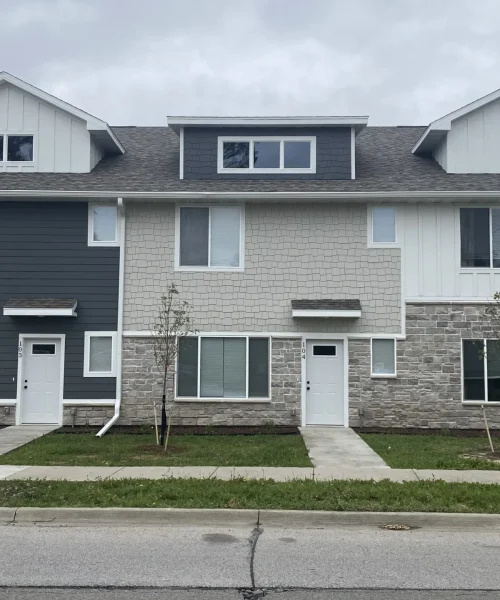
Handeland Construct installs vinyl siding from a range of manufacturers depending on the project and the homeowner’s goals. For most residential applications, Jason recommends CertainTeed. The product line offers consistent quality, a strong warranty, and a range of profiles and colors that work well on the types of homes common across Central Iowa. It is a material he trusts to perform when it is installed correctly and stands behind when recommending it to homeowners.
Once the old siding comes off, we inspect the sheathing and house wrap before anything new goes up. If the wrap is damaged, improperly lapped, or missing tape at critical seams and flashing transitions, we address it at that stage. Skipping this step and installing new vinyl over a compromised moisture barrier is one of the most common mistakes we are called in to fix on other contractors’ work.
From there, panels are nailed correctly with the spacing the material requires, secured into studs, and fitted into channels with the clearance needed for proper drainage and movement. Every window, door, corner, and penetration is detailed correctly before the job is considered finished. Jason walks you through the completed work before we leave the site.
We install a lot of vinyl siding and stand behind the work we do with it. But we also see a consistent pattern. Homeowners who have had vinyl for fifteen or twenty years and are ready to replace it often ask about fiber cement the second time around. The reasons are usually the same. They want something that holds up better in hail, does not fade as noticeably over time, and does not have the occasional panel blow off in a bad storm.
Vinyl is the right choice for a lot of homes and budgets. But if longevity and durability are the priority, fiber cement is worth the conversation. We are happy to walk you through both options and give you an honest comparison based on your home and your goals.
Every vinyl siding project Handeland Construct completes is backed by a 5-year workmanship warranty on the installation. CertainTeed products carry their own manufacturer warranty on the materials. Both layers of coverage together give homeowners protection on the product and the work behind it.
Quality vinyl siding installed correctly typically lasts 20 to 40 years depending on the product, the climate, and how well it was installed. Iowa’s freeze-thaw cycles and hail seasons put more stress on vinyl than milder climates, which is why installation technique matters as much as material quality.
No. Vinyl siding is manufactured with color built into the material, not applied on top of it. It does not need to be painted and generally should not be painted, as paint adhesion on vinyl is inconsistent and can trap moisture. If the color has faded significantly after many years, replacement is usually the better solution.
We do not recommend it. Installing over existing siding skips the inspection of the house wrap and sheathing underneath. If there is moisture damage or a compromised wrap behind the old siding, covering it up with new panels does not fix the problem. It just delays it and makes it more expensive to address later.
It depends on the product and the severity of the storm. Standard vinyl can crack or dent under significant hail impact. Thicker, higher-grade vinyl panels perform better, but fiber cement is meaningfully more impact resistant if hail tolerance is a priority. We can walk you through the options based on your specific situation.
Almost always installation. Panels that are not nailed into studs, nailed too tight so they cannot float, or not properly locked into the course below them are the ones that come off in wind events. When we hear about siding blowing off we can almost always trace it back to how it was fastened, not the material itself.
If the damage is isolated to a few panels and the rest of the siding is in sound condition, repair is usually the right call. If the siding is aging, widespread damage is present, or the original installation was poor, replacement gives you a better long-term outcome. Handeland will come out, look at the full picture, and give you a straight answer.
The best next step is a free in-home consultation. Jason will come out, assess your existing exterior, walk you through your options, and provide a detailed estimate with no hidden costs and no pressure.
Call Jason directly at 515-231-6739.